
Key Takeaways
- Metro Manila is projected to be among the fastest-growing economies in the Asia Pacific by 2035.
- Davao Region faces high inflation, affecting affordability for low-income households.
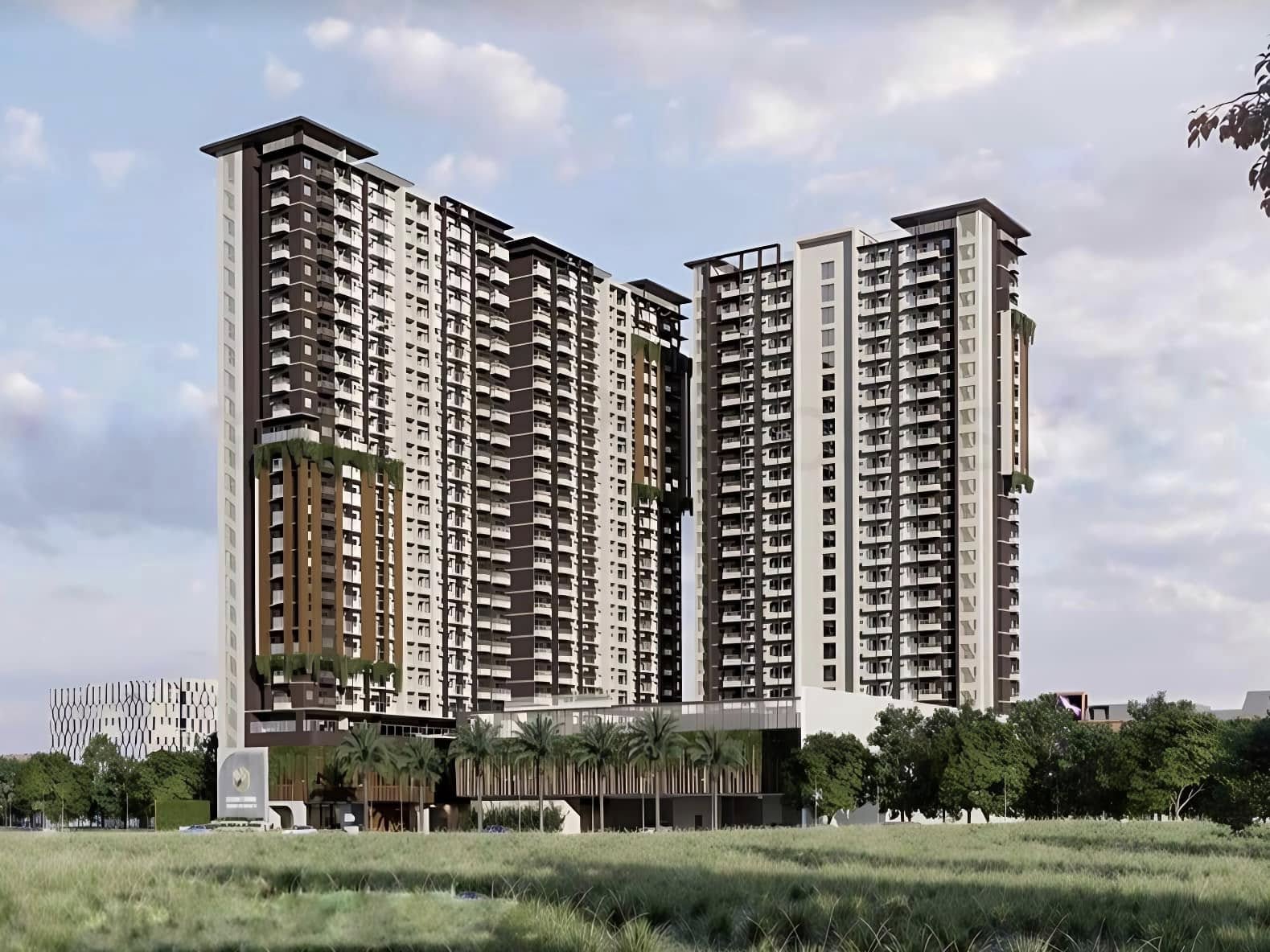
- Cebu continues its evolution as a hub for premium real estate developments.
- Electricity rates in Metro Manila see a minor reduction, offering some cost relief.
- Industrial assets and regional housing maintain resilience despite market challenges.
What Happened
This week shed light on the dynamic landscape of the Philippine real estate market, with significant developments across the archipelago. Metro Manila's future as a thriving economic center was highlighted, alongside Cebu's emergence as a nexus for premium real estate. However, challenges persist, particularly in the Davao Region, where inflation for the poorest households climbed to 12.1% in August.
In Cebu, the transformation from a traditional trading port to a vibrant commercial and residential hub is unmistakable. Meanwhile, energy cost adjustments in Metro Manila continued for a second month, providing minor financial relief to households.
Why This Matters
These stories are significant as they capture the diverse and evolving nature of the Philippine real estate market. Metro Manila's growth underscores its role as a key economic player in the region, likely stimulating future property investments. Cebu’s development signals opportunities for those interested in high-end real estate markets. Conversely, Davao's inflation highlights the affordability challenges many residents face, impacting the decision-making for potential buyers and investors.
What This Means for Home Buyers
For potential homebuyers, the landscape is mixed. In Metro Manila, projections of economic growth could translate into a vibrant property market with long-term capital appreciation prospects. However, in Davao, the high inflation rate could mean a squeeze on household budgets, affecting purchasing power and living standards.
Cebu's pivot towards high-end developments may offer exciting opportunities for those seeking premium properties, potentially bringing elevated lifestyle options amid growing business hubs.
What This Means for Property Investors
Investors might find attractive opportunities in Metro Manila and Cebu. The projected economic vitality and expansion in these regions could promise substantial returns. Cebu's ongoing developments in integrated townships and Grade A towers might also offer significant gains.
Moreover, with tighter lending conditions, the focus is shifting towards industrial assets and regional housing, reflecting a strategic diversification that might appeal to more conservative investors eyeing resilient areas during fluctuating market phases.
Davao or Mindanao Impact
In Davao, surging inflation poses a challenge, particularly for lower-income households. This circumstance requires strategic assessment for any real estate investment in the area, considering the strains on affordability and the broader macroeconomic stability it might indicate for the region.
What Buyers Should Watch Next
Buyers and investors should keep a keen eye on economic policies influencing inflation rates, especially in regions like Davao. Monitoring whether Meralco continues adjusting electricity rates could also affect living costs substantially, influencing buying decisions.
Beyond the immediate horizon, the transformation of metro hubs like Manila and Cebu presents substantial growth stories worth tracking for their potential to reshape property valuations and lifestyle offerings in the years to come.
Sources
- Inquirer Business — Meralco rates dip for 2nd straight month
- Inquirer Business — See how Liv comes to life in Katipunan
- Inquirer Business — Cebu: Ready for premium developments
- Philstar Business — Philippines agri-startups want a taste of Taiwan market
- BusinessWorld — Industrial assets, regional housing seen as resilient growth areas
- BusinessWorld — The resilience dividend: Repositioning Philippine real estate for what’s next
- Philstar Business — DOE failure
- SunStar Davao — Davao Region inflation for poorest hits 12.1%